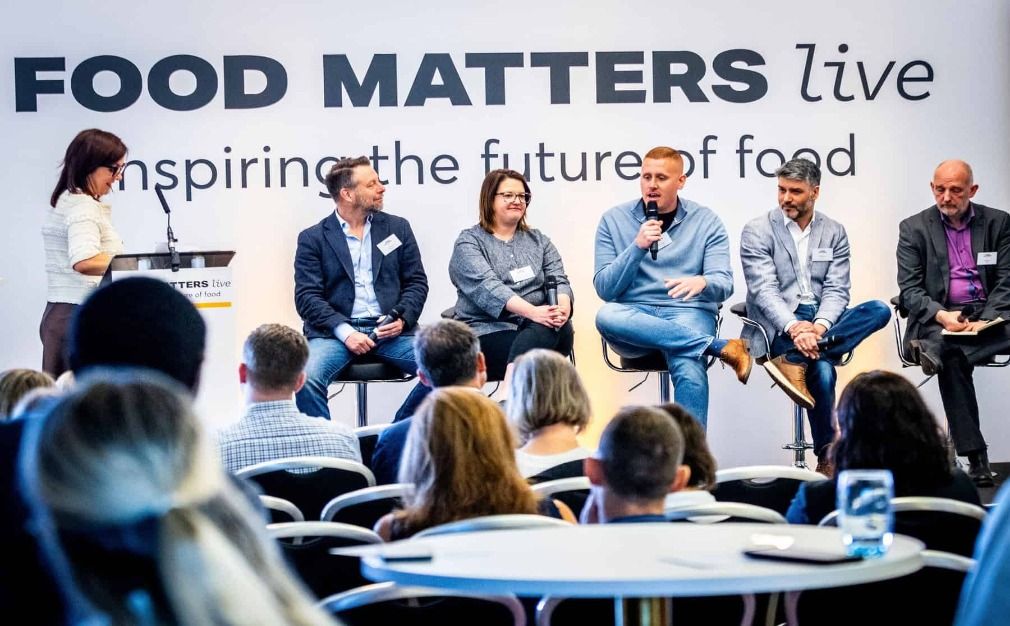
Our trade team recently had the pleasure of attending Food Matters Live in Ascot — and what an inspiring experience it was! Renowned as the most targeted event for NPD leaders defining the future of food innovation, Food Matters Live Ascot brought together R&D leaders, NPD specialists, and food innovators for two intensive days. We immersed ourselves in a world of cutting-edge ingredient innovation, groundbreaking scientific insights, and technical excellence, exploring revolutionary ingredient solutions and unlocking breakthroughs in nutrition science, all while addressing critical regulatory and product development challenges.
The event was a vibrant hub where attendees learned from game-changing insights, connected with industry experts, and transformed complex challenges into exciting opportunities. In today’s fast-moving landscape, success demands more than just innovation; it requires advancing science, driving sustainability, and fostering meaningful collaborations. Food Matters Live Ascot masterfully brought all these elements together. The event offered the food, beverage, and nutrition industry invaluable foresight into the trends, challenges, and innovations shaping 2026, ensuring we stay ahead of evolving consumer expectations.
Here are some of our top takeaways, offering a glimpse into the innovations and challenges ahead:
1. The GLP-1 Effect: A Seismic Shift in Consumer Palates
Perhaps the most impactful discussion revolved around the burgeoning influence of GLP-1 agonists (like Ozempic). These medications are not just impacting weight; they are fundamentally reshaping consumer eating habits at an unprecedented speed and scale. Users report significantly reduced hunger, but crucially, also a profound alteration in taste preferences – often losing cravings for highly palatable, ultra-processed foods high in sugar, fat, and alcohol.
This presents both a significant challenge and a massive opportunity for the food industry. Brands are reimagining their product portfolios to meet growing consumer demand for nutrient-dense options that are rich in protein and fibre—delivering lasting satiety and sustained energy throughout the day. There’s a critical need to address concerns around muscle mass loss in users, driving demand for protein-rich solutions. The industry must pivot towards “food as medicine,” creating products that support overall health and well-being, especially as individuals transition off medication and seek to maintain healthy habits. This demands a deep understanding of nutritional science and technical excellence in product formulation.
2. Decoding Tomorrow’s Trends: The Social & Cultural Drivers of Food Innovation
The conference highlighted how rapidly food trends are evolving, largely driven by younger generations (Gen Z, Gen Alpha) and the pervasive influence of social media platforms like TikTok and Instagram. We’re seeing the rise of “third culture cuisine” – a sophisticated blend of authentic global flavours interpreted through a local lens, moving beyond traditional fusion to celebrate genuine cultural diversity.
For brands, agility is paramount. Social media democratises food trends, accelerating their lifecycle and making it essential to identify and capitalise on emerging tastes quickly. AI is becoming an indispensable tool, not just for analysing past data but for predicting future trends. Consumers, particularly younger ones, are seeking both novelty and comfort, often adhering to the “90/10 rule”: 90% familiar comfort with a 10% exciting, new twist. This means brands can introduce new ingredients or flavour profiles in a low-risk, appealing way, requiring innovative NPD and a keen eye on consumer psychology.
3. Fibre’s Renaissance: From Overlooked Nutrient to Dietary Powerhouse
Despite overwhelming scientific evidence of its health benefits, fibre intake remains critically low across populations, often falling well below recommended daily amounts. Barriers include consumer perception (fibre-rich foods are often seen as bland or heavy), practical challenges (longer cooking times, perceived higher cost), and a lack of clear, engaging communication about its benefits.
The industry’s response is multifaceted. “Stealth health” is gaining traction, where fibre is invisibly incorporated into familiar, appealing foods without compromising taste or texture. Innovation in fibre sources, including novel plant fibres and resistant starches, is expanding possibilities. There’s a growing emphasis on understanding fibre’s complex physiological effects – from nurturing the gut microbiome and enhancing satiety to regulating blood sugar and preventing chronic diseases. Educational initiatives, like school breakfast programs, are crucial for fostering healthy habits from a young age, while clear, compelling messaging is needed to elevate fibre’s status beyond a mere digestive aid. This requires groundbreaking scientific insights and technical expertise in ingredient application.
4. Sustainable Futures: The Imperative of Upcycling and Ethical Production
Resource scarcity and growing consumer demand for ethical practices are propelling sustainability to the forefront of food innovation. This is particularly true for Gen Z, who increasingly link brand reputation to environmental and social responsibility and are often willing to pay a premium for sustainable products.
Discussions focused on the circular economy, with significant interest in upcycling waste products – transforming ingredients like broccoli stems, fruit pomace, spent grain, or often-discarded animal parts into valuable, nutritious food components. Beyond waste reduction, the imperative extends to animal welfare, responsible sourcing, and significant reductions in packaging. Consumers expect transparency regarding a product’s journey from farm to fork, making ethical production and clear communication about sustainable practices non-negotiable for modern brands. This area demands cutting-edge ingredient innovation and a commitment to advancing science for a better planet.
5. The Era of Personalised Plates & Effortless Enjoyment
The convergence of health tracking technologies, AI, and a more self-educated consumer base is driving an unprecedented demand for personalised nutritional solutions. Wearable tech, at-home testing kits, and AI-driven dietary recommendations are empowering individuals to tailor their diets to their unique biological needs and health goals.
Simultaneously, convenience continues to evolve, offering a spectrum of solutions to reduce decision fatigue and simplify busy lives. This ranges from ready-to-eat meals and pre-portioned ingredients to sophisticated meal kits that introduce new cuisines with minimal effort. E-commerce and rapid delivery services further amplify this trend, making personalised and convenient food options more accessible than ever. Brands that can seamlessly integrate personalisation with effortless enjoyment will capture significant market share, requiring both technical excellence in product development and a deep understanding of consumer behaviour.
The Food Matters Live conference underscored that the food and drink industry is at a pivotal moment. To thrive, brands must embrace agility, deeply understand evolving consumer needs, and commit to holistic health and sustainability. At Clarion, we’re excited to leverage these insights to help our clients navigate this dynamic landscape and connect meaningfully with tomorrow’s consumers.